Understanding NYC Rental Regulations: A Guide for Property Owners
Introduction to NYC Rental Regulations
New York City is one of the most dynamic real estate markets in the world. For property owners, understanding the complex web of rental regulations is crucial for successful management and compliance. This guide delves into the key aspects of NYC rental regulations, providing property owners with essential information to navigate the market effectively.
Understanding Rent Stabilization
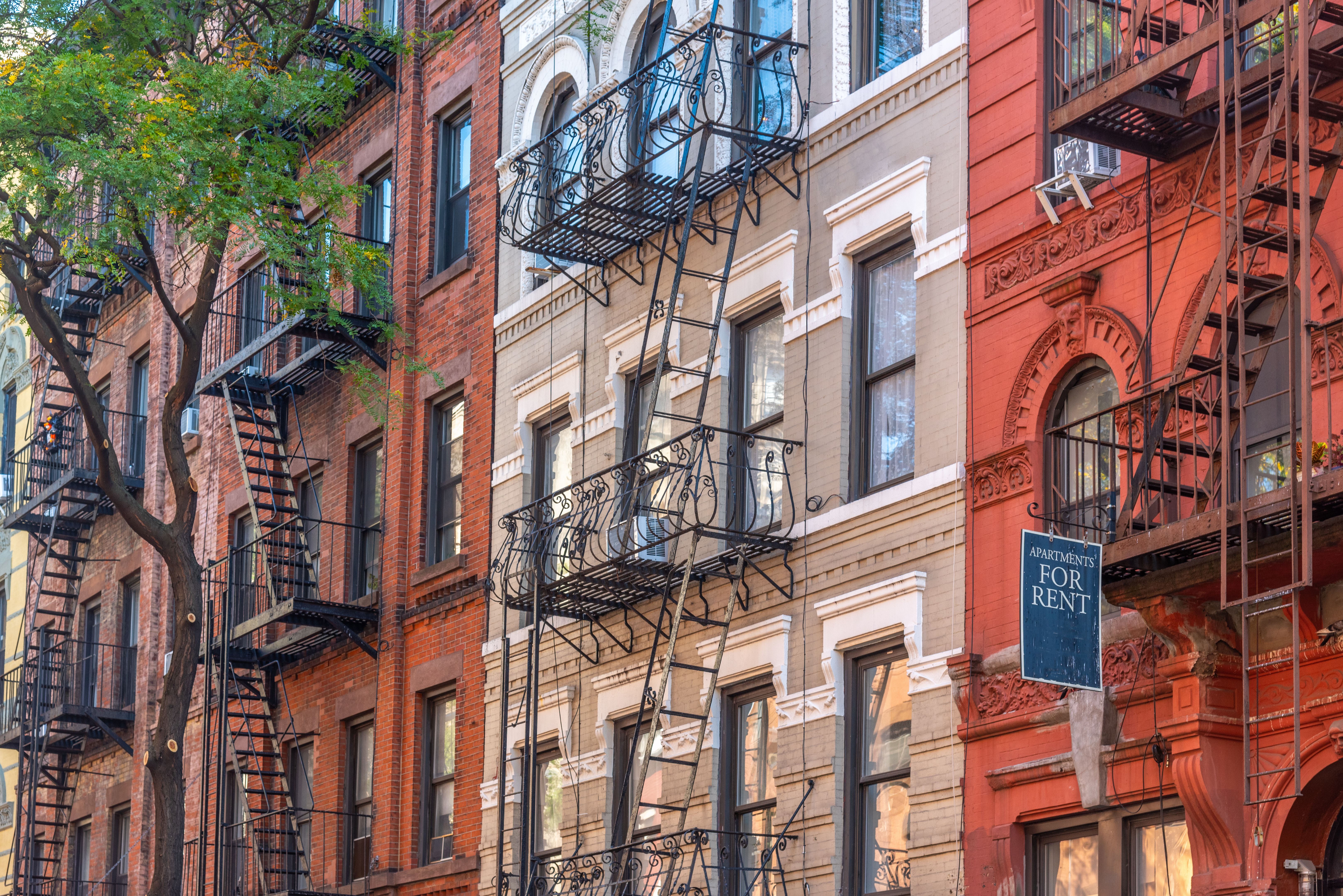
One of the most critical aspects of NYC rental regulations is rent stabilization. This system aims to protect tenants from excessive rent increases while allowing landlords a reasonable return on their investment. Properties built before 1974 with six or more units typically fall under this category. It’s important for property owners to be aware of these rules, as they dictate rent increases and lease renewal processes.
Compliance with rent stabilization laws requires keeping detailed records. Property owners must register their buildings with the New York State Homes and Community Renewal (HCR) annually. Failure to comply can result in penalties and legal issues.
Security Deposit Regulations
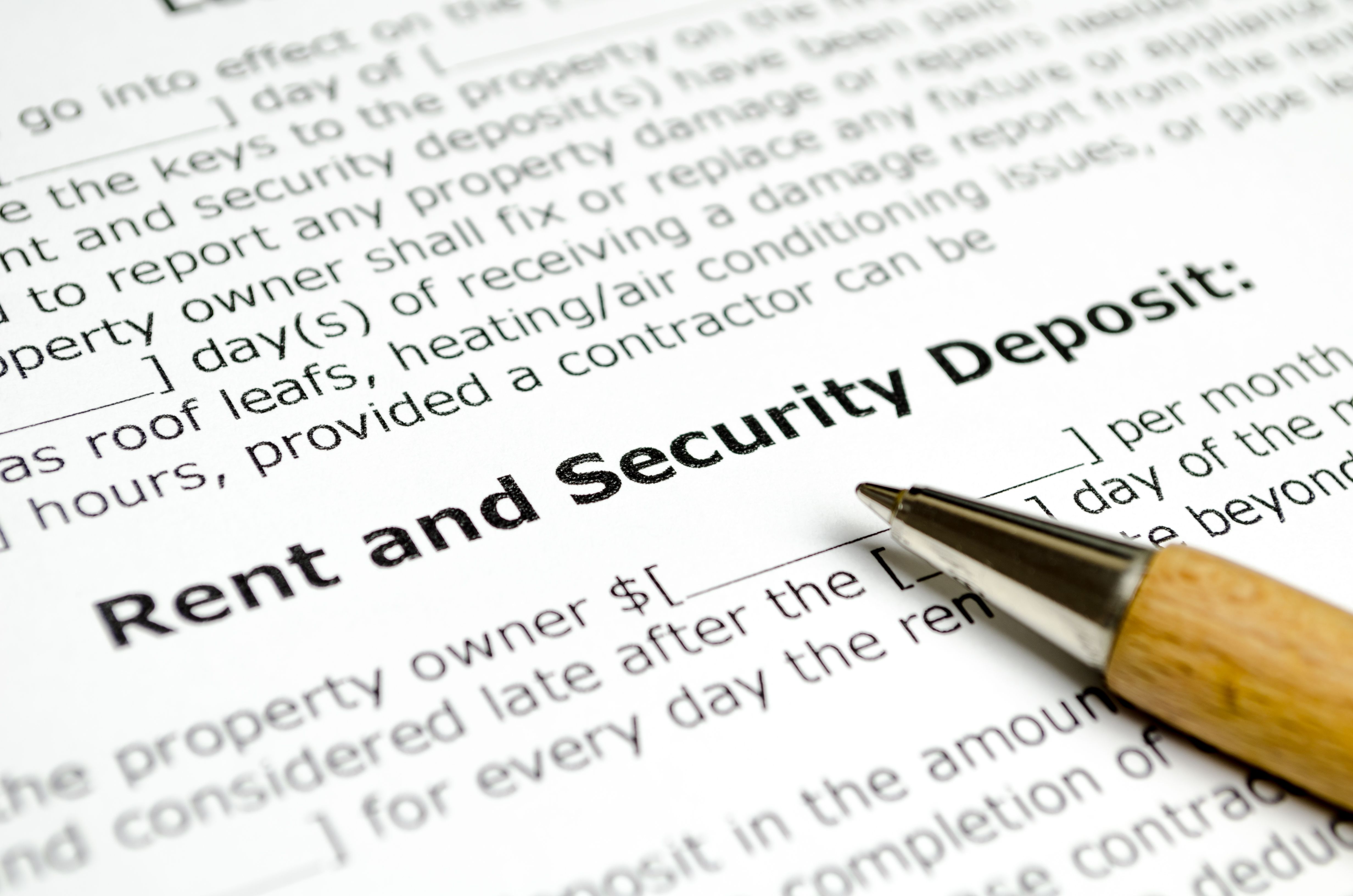
Security deposits in NYC are subject to specific rules. Landlords can only charge up to one month's rent as a deposit, and it must be returned to the tenant within 14 days after the lease ends, provided there are no damages. Deductions must be itemized and justified. Understanding these regulations helps prevent disputes and maintains a positive relationship with tenants.
Understanding Lease Agreements
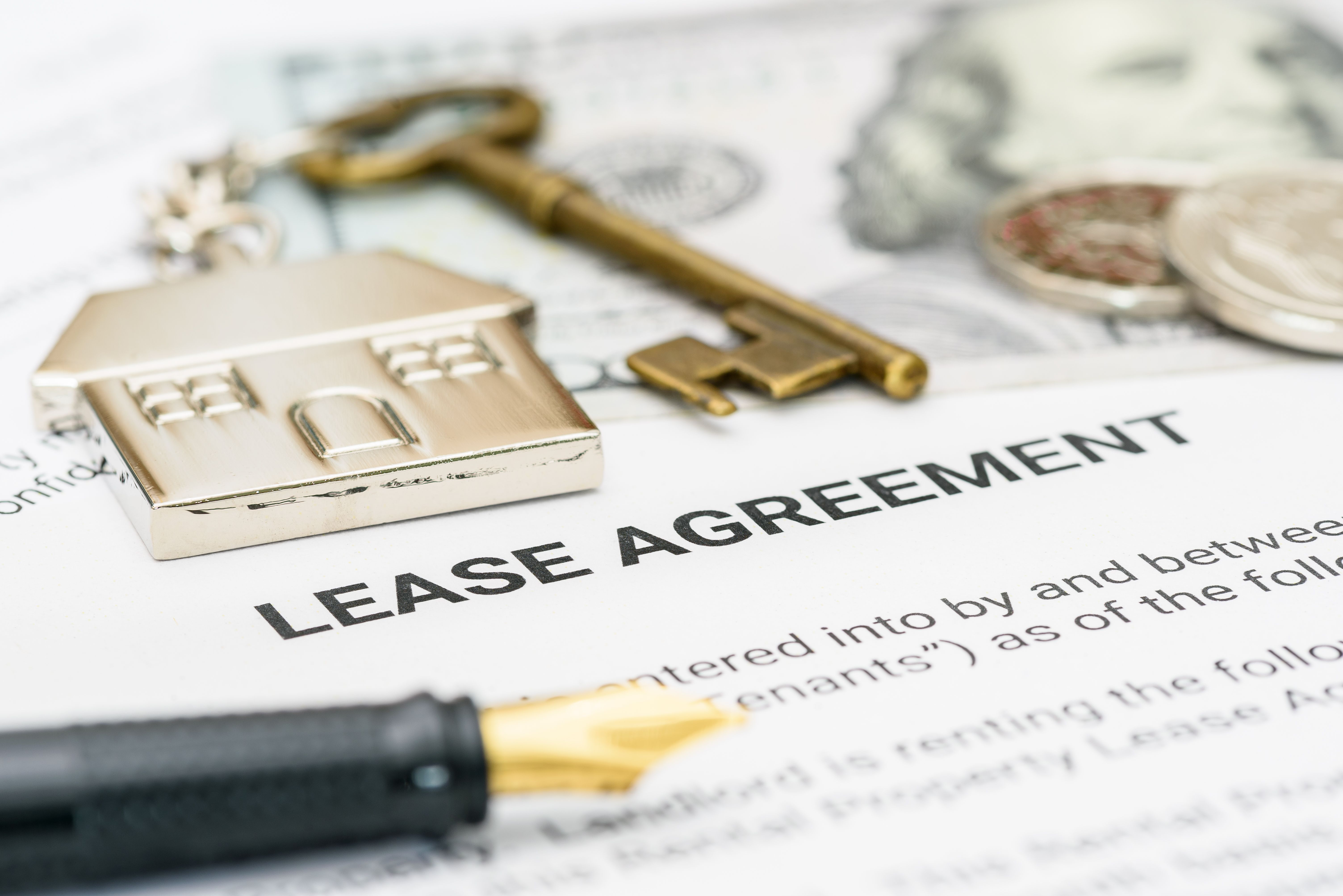
Creating a comprehensive lease agreement is crucial for property owners. This document outlines the rights and responsibilities of both parties, helping to prevent misunderstandings. In NYC, leases should include clauses on rent amount, payment due dates, and maintenance responsibilities. Additionally, landlords must provide notice of potential lead paint hazards for buildings constructed before 1978.
It’s advisable for property owners to work with a legal professional to draft and review lease agreements. This ensures compliance with local laws and reduces the risk of legal challenges.
Handling Tenant Complaints
Addressing tenant complaints promptly and effectively is vital for maintaining a good landlord-tenant relationship. NYC regulations require landlords to maintain habitable living conditions, including heat, hot water, and repairs. Failure to address these issues can lead to fines and tenant-initiated legal action.
Having a systematic process for handling complaints can help resolve issues quickly. Documenting all interactions and repairs is also essential for legal protection.
Eviction Procedures
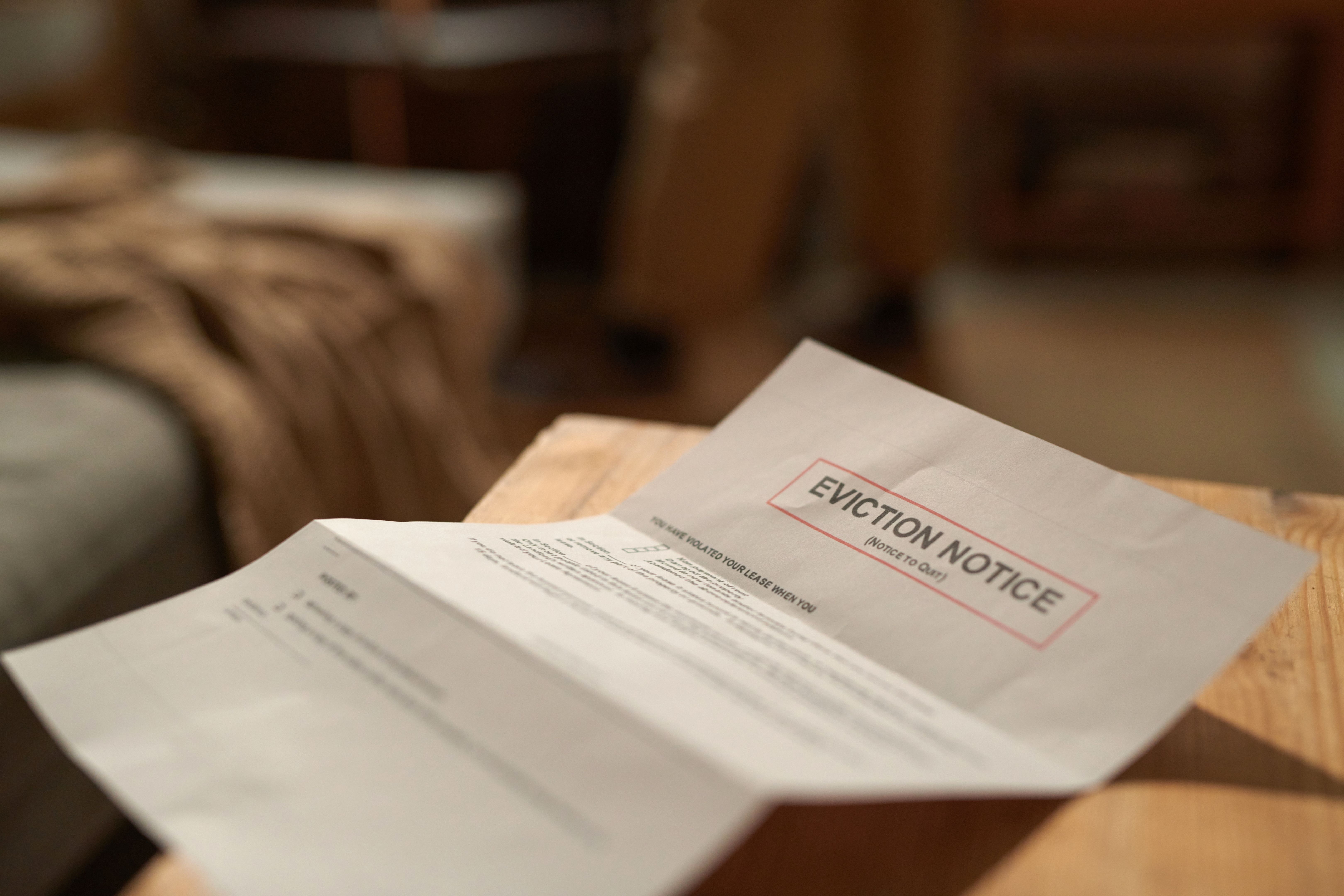
Eviction is a sensitive and highly regulated process in NYC. Property owners must follow strict legal procedures to evict a tenant. Grounds for eviction include non-payment of rent, lease violations, or illegal activities. However, landlords must provide appropriate notice and obtain a court judgment before proceeding.
Understanding eviction laws helps property owners avoid costly legal battles and ensures fair treatment of tenants. Consulting with an attorney experienced in NYC real estate law can provide invaluable guidance during this process.
Conclusion
Navigating NYC rental regulations can be challenging for property owners, but understanding these key areas is crucial for successful property management. By staying informed and proactive, landlords can ensure compliance with the law, foster positive tenant relationships, and protect their investments. Regularly consulting with legal and real estate professionals can further enhance property management strategies.